by
by In the heart of South Asia, a cricket rivalry has flourished that embodies the very spirit of the sport.
The Sri Lanka national cricket team vs India national cricket team timeline presents a fascinating journey from humble beginnings to world-class encounters that captivate millions.
What started in the late 1970s as occasional matches between an established cricket nation and a newcomer has evolved into one of cricket’s most anticipated contests across all formats.
This rivalry has witnessed historical moments that changed cricket forever – Sri Lanka’s revolutionary batting approach in the 1996 World Cup, Muttiah Muralitharan’s record-breaking bowling feats, MS Dhoni’s iconic six to win the 2011 World Cup final, and many more.
Unlike some cricket rivalries marked by tension, the Sri Lanka-India contest has typically been characterized by mutual respect and appreciation of each other’s cricket culture.
Both nations have produced cricket legends who are admired across borders, creating a unique bond through sport.
Sri Lanka National Cricket Team Vs India National Cricket Team Timeline
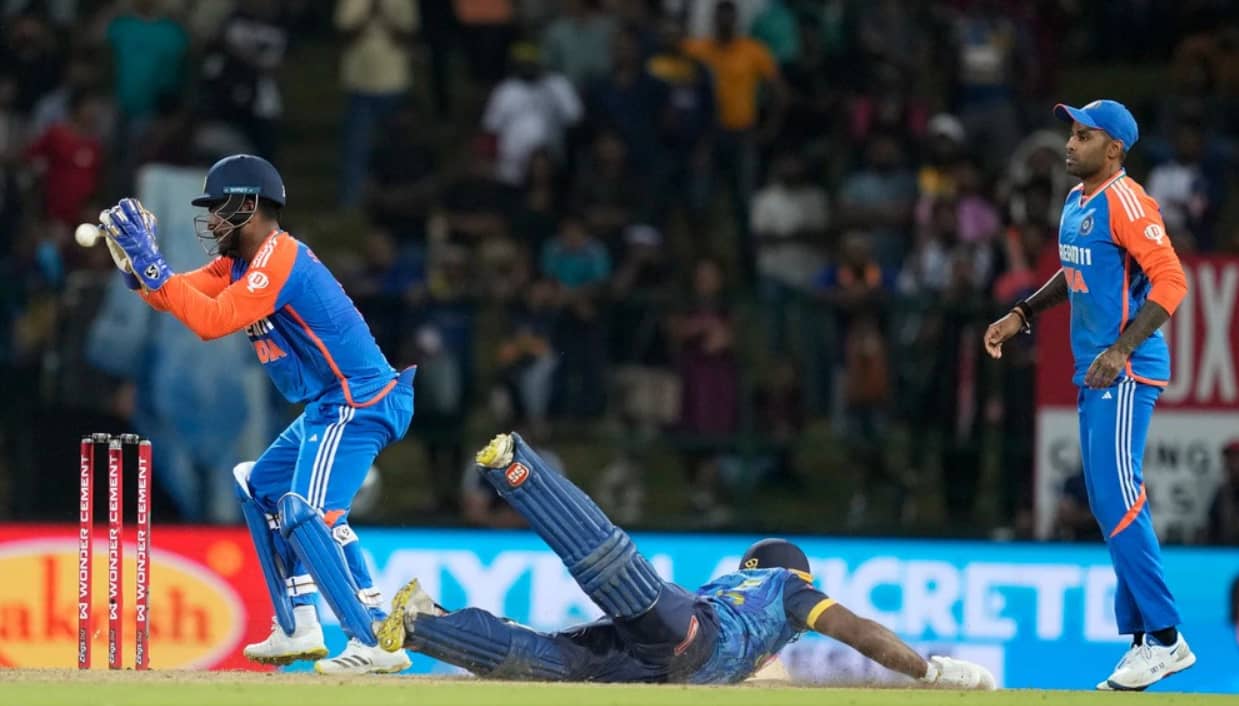
As cricket has transformed from traditional five-day Tests to rapid-fire T20s, this rivalry has adapted and thrived, consistently delivering compelling cricket that showcases the tremendous talent from both countries.
The Early Years: Finding Their Footing (1970s-1980s)
The rivalry began when Sri Lanka was still establishing itself in international cricket, while India was already a respected cricket nation with Test status.
First Encounters on the World Stage
The teams first met officially in the 1979 Cricket World Cup in England. At this point, Sri Lanka was yet to gain Test status and was considered a minnow in world cricket. India comfortably won this early encounter.
A significant milestone came in 1982 when Sri Lanka played their first Test match against India in Chennai after gaining Test status in 1981. Though Sri Lanka lost by an innings, this match marked their entry into cricket’s most prestigious format.
Notable aspects of these early matches:
- Clear gap in experience and skill between the teams
- India dominated most encounters
- Sri Lanka showed flashes of potential
- Limited frequency of matches between the teams
Building Blocks for Sri Lankan Cricket
The 1980s saw Sri Lanka slowly developing their cricket structure and producing players who would later become legends:
- Arjuna Ranatunga emerged as a future leader
- Aravinda de Silva showed his batting class
- Roshan Mahanama displayed technical solidity
Sri Lanka secured their first victory against India in an ODI in 1985, a watershed moment that showed they could compete with established cricket nations. Though still inconsistent, the seeds of future success were being planted.
| Year | Match Type | Venue | Result | Significance |
|---|---|---|---|---|
| 1979 | ODI (World Cup) | Manchester | India won | First official meeting |
| 1982 | Test | Chennai | India won by innings | Sri Lanka’s first Test vs India |
| 1985 | ODI | Sialkot | Sri Lanka won | First ODI win against India |
Revolution and Rivalry: Sri Lanka’s Ascent (1990s)
The 1990s completely transformed this rivalry as Sri Lanka evolved from underdogs to world champions, forever changing the cricket landscape.
The Jayasuriya Factor
The emergence of Sanath Jayasuriya as a devastating opener revolutionized how One Day cricket was played. His aggressive approach to batting during the field restriction overs (first 15 overs) changed batting strategies worldwide.
India often felt the full force of Jayasuriya’s bat. In a 1996 ODI in Singapore, he scored a blistering 134 off just 65 balls against India—one of the fastest centuries at that time. This innings perfectly demonstrated the new Sri Lankan approach to batting that would trouble teams worldwide.
The World Cup Transformation
The 1996 Cricket World Cup marked Sri Lanka’s arrival as a major cricket force. Their group stage victory over India was pivotal, showing their new aggressive batting strategy could overcome traditional cricket powerhouses.
Under Arjuna Ranatunga’s bold leadership, Sri Lanka went on to win the tournament, defeating Australia in the final. While they didn’t face India again in that World Cup, their earlier victory had psychological significance for both teams.
Key elements of Sri Lanka’s World Cup strategy:
- Aggressive batting in the first 15 overs
- Clever use of spin bowling
- Tactical innovation by captain Ranatunga
- Mental toughness against established teams
Rising Spin Stars
The 1990s also saw the emergence of Muttiah Muralitharan as one of cricket’s greatest spin bowlers. His duels with Indian batsmen, particularly Sachin Tendulkar, became a highlight of matches between these teams.
By the late 1990s, the dynamics of the rivalry had fundamentally changed. From being clear underdogs, Sri Lanka had become equals on the cricket field, capable of defeating India in any conditions.
Peak Rivalry: The Competitive 2000s
The 2000s represented the most balanced and competitive period in the Sri Lanka-India rivalry, with both teams at their strongest.
Test Cricket Breakthroughs
Sri Lanka achieved significant milestones in Test cricket against India during this decade:
- 2001: First Test victory in India (Galle)
- 2008: First Test series win in India
These victories were built around the extraordinary bowling of Muttiah Muralitharan and the batting excellence of Kumar Sangakkara and Mahela Jayawardene. Murali’s ability to trouble Indian batsmen—traditionally excellent players of spin—was particularly remarkable.
The Battle of the Batting Giants
This era featured some of the greatest batsmen from both countries going head-to-head:
Indian batting legends:
- Sachin Tendulkar (technical perfection)
- Rahul Dravid (defensive solidity)
- Virender Sehwag (explosive attacking)
Sri Lankan batting masters:
- Kumar Sangakkara (elegant left-handed batting)
- Mahela Jayawardene (wristy stroke play)
- Tillakaratne Dilshan (innovative aggression)
Watching these batsmen face each other created cricket of the highest quality. Their performances often determined the outcome of matches and series between the teams.
The Mendis Magic
One of the most remarkable episodes in the rivalry came with the emergence of Ajantha Mendis. In the 2008 Asia Cup final, Mendis took 6 wickets for just 13 runs against India, with his variety of deliveries—including the “carrom ball”—completely baffling Indian batsmen.
This performance announced a new chapter in the rivalry, with Mendis briefly becoming Sri Lanka’s trump card against India. Though his effectiveness eventually diminished as batsmen learned to read him, his impact on the rivalry was significant.
| Year | Series/Tournament | Format | Result | Key Performer |
|---|---|---|---|---|
| 2001 | Test in India | Test | Sri Lanka won | Muralitharan (7 wickets) |
| 2008 | Asia Cup Final | ODI | Sri Lanka won | Ajantha Mendis (6/13) |
| 2009 | Tri-Series Final | ODI | India won | MS Dhoni (91*) |
ODI Thrillers
The One Day International contests between the teams during this period were often nail-biting affairs. The emergence of MS Dhoni as India’s finisher added a new dimension to these matches. His calm approach to run chases contrasted with Sri Lanka’s more aggressive batting style.
By the end of the 2000s, matches between these teams had become must-watch cricket events, with the outcome often impossible to predict until the final overs.
Changing Fortunes: The 2010s Drama
The 2010s saw a gradual shift in the balance of power, with India’s resources and talent pool growing substantially while Sri Lanka faced the challenge of replacing their golden generation.
The Epic 2011 World Cup Final
The 2011 Cricket World Cup final in Mumbai remains the most significant match ever played between these teams. With the eyes of the cricket world watching, Sri Lanka posted a challenging 274/6, with Mahela Jayawardene scoring a masterful unbeaten 103.
India’s chase began disastrously with both openers dismissed cheaply. But Gautam Gambhir (97) steadied the ship before MS Dhoni (91*) promoted himself up the order to guide India home with his iconic six sealing victory.
Key moments from the 2011 World Cup final:
- Jayawardene’s elegant century under pressure
- Malinga removing Sehwag and Tendulkar early
- Dhoni’s tactical decision to promote himself
- The winning six that became cricket history
This match encapsulated everything great about the rivalry—skill, drama, sportsmanship, and moments of individual brilliance that would be remembered forever.
Sri Lanka’s Transition Challenge
The middle of the 2010s brought significant challenges for Sri Lankan cricket as their golden generation began to retire:
- Kumar Sangakkara (retired 2015)
- Mahela Jayawardene (retired 2015)
- Tillakaratne Dilshan (retired 2016)
Replacing these cricket legends proved difficult, creating a period of inconsistency in Sri Lankan cricket. While they still produced occasional victories against India, especially in home conditions, the overall balance of the rivalry tilted in India’s favor.
India’s Growing Strength
Under Virat Kohli’s aggressive leadership, India established a period of dominance in this rivalry. The 2017 tour of Sri Lanka showed just how far apart the teams had moved, with India winning all nine matches across formats.
India’s strength came from:
- World-class players in all departments
- Strong domestic cricket structure
- Professional approach to fitness and preparation
- Stability in selection and leadership
Despite this overall dominance, Sri Lanka still produced memorable performances that kept the rivalry alive, particularly in the shorter formats when playing in Sri Lankan conditions.
New Era: T20 Cricket and Rebuilding (2020s)
The most recent chapter of the rivalry shows Sri Lanka rebuilding their team while adapting to the increasingly T20-dominated cricket landscape.
T20 World Cup Encounters
The T20 format has added new dimensions to the rivalry. In the 2021 T20 World Cup, India comfortably defeated Sri Lanka, but both teams showed the attacking style that makes T20 cricket exciting.
T20 cricket’s shorter duration means matches can turn quickly, giving Sri Lanka opportunities to challenge India despite the overall gap between the teams.
Sri Lanka’s Promising New Generation
Recent years have shown encouraging signs for Sri Lankan cricket with emerging talent:
- Wanindu Hasaranga has become one of the world’s premier leg-spinners and a valuable lower-order batsman
- Pathum Nissanka has shown technical quality as an opener
- Charith Asalanka has demonstrated finishing ability in limited-overs cricket
Sri Lanka’s surprise victory in the 2022 Asia Cup—where they defeated India in a crucial match—showed their ability to compete at the highest level despite being in rebuilding mode.
The IPL Connection
The Indian Premier League has created new connections between cricketers from both nations. Many Sri Lankan players participate in the IPL, where they share dressing rooms with Indian stars:
- Wanindu Hasaranga (Royal Challengers Bangalore)
- Maheesh Theekshana (Chennai Super Kings)
- Dushmantha Chameera (various teams)
This cricket connection beyond national teams has added another layer to the rivalry—friendship off the field combined with intense competition when representing their countries.
Beyond Cricket: Cultural Impacts
The rivalry extends beyond the cricket field, influencing culture and diplomacy between the nations.
Cricket as Diplomatic Bridge
Throughout their history, cricket has served as a diplomatic connection between Sri Lanka and India. Even during periods of political tension, cricket matches have continued, maintaining people-to-people relationships.
After the devastating 2004 tsunami that affected coastal regions of both countries, cricket played a role in fundraising and recovery efforts. Players from both teams participated in charity matches and awareness campaigns.
Shared Cricket Culture
Both countries share a deep love for cricket that transcends boundaries:
- Cricket terminology has entered everyday language in both nations
- Players from both teams enjoy popularity across borders
- Cricket success is celebrated as a matter of national pride
- Cricket stories and metaphors are used in media, film, and literature
This shared cricket culture has helped maintain the friendly nature of the rivalry despite the intense competition on the field.
Legendary Players Who Defined the Rivalry
Certain players have made special contributions to this cricket rivalry, their performances creating lasting memories for fans of both teams.
Sri Lankan Legends
- Muttiah Muralitharan: The highest wicket-taker in Test cricket history, Murali’s battles with Indian batsmen were cricket at its finest. His 800 Test wickets included many Indian scalps.
- Kumar Sangakkara: One of cricket’s most elegant batsmen, Sangakkara averaged over 50 against India in Tests, often playing his best innings against them.
- Sanath Jayasuriya: The revolutionary opener changed how teams approached the first 15 overs in ODIs, with India often feeling the full force of his attacking batting.
Indian Icons
- Sachin Tendulkar: The “Little Master” enjoyed many battles with Sri Lankan bowlers, particularly Muralitharan, creating contests that fans still talk about.
- MS Dhoni: His calm finishing in the 2011 World Cup final represents the pinnacle of his many contributions to this rivalry.
- Virat Kohli: The modern great has dominated Sri Lankan bowling in recent years, scoring consistently across all formats.
Statistical Highlights
A look at some remarkable statistical achievements in this rivalry:
| Record | Player | Details |
|---|---|---|
| Highest individual score in Tests | Virender Sehwag (India) | 293 at Mumbai, 2009 |
| Best bowling in an innings (Tests) | Muralitharan (Sri Lanka) | 8/87 at Colombo, 2001 |
| Most ODI runs | Sachin Tendulkar (India) | 3,113 runs |
| Most ODI wickets | Muttiah Muralitharan (Sri Lanka) | 74 wickets |
FAQs About the Sri Lanka-India Cricket Rivalry
- When did Sri Lanka first defeat India in a Test match?
Sri Lanka’s first Test victory against India came in 1985 at Colombo, where they won by 149 runs.
- Which player has scored the most centuries in this rivalry?
Sachin Tendulkar holds the record with 17 centuries against Sri Lanka across all formats.
- What was the closest finish in an ODI between these teams?
In a 2010 tri-series match in Bangladesh, India defeated Sri Lanka by just one wicket with only one ball remaining.
- How did the 1996 World Cup change this rivalry?
Sri Lanka’s victory in the 1996 World Cup transformed them from underdogs to champions, making the rivalry with India much more competitive and high-profile.
- Who has the better head-to-head record in T20 Internationals?
India holds a significant advantage in T20Is, winning approximately 70% of their matches against Sri Lanka.
- Have there been any tied matches between these teams?
Yes, there have been several tied matches, with the most famous being a 2009 ODI that ended in a tie after both teams scored exactly 236 runs.
- Which venues have hosted the most matches between these teams?
The R. Premadasa Stadium in Colombo and the Eden Gardens in Kolkata have hosted the most matches between these teams across formats.
More Similar Guides:
- Afghanistan National Cricket Team Vs India National Cricket Team Timeline
- South Africa National Cricket Team Vs West Indies Cricket Team Timeline
- Australian Men’s Cricket Team Vs India National Cricket Team Match Scorecard
- India National Cricket Team Vs England Cricket Team Timeline
- South Africa National Cricket Team Vs Pakistan National Cricket Team Timeline
- New Zealand National Cricket Team Vs India National Cricket Team Timeline
Conclusion: A Rivalry of Respect
The Sri Lanka national cricket team vs India national cricket team timeline shows a rivalry that has evolved dramatically over the decades.
From India’s early dominance to Sri Lanka’s World Cup glory, through the balanced 2000s to India’s recent ascendancy, this cricket journey reflects the changing fortunes of both teams.
What makes this rivalry special is its sporting spirit. Unlike some cricket rivalries marked by tension, India and Sri Lanka share cultural bonds and mutual respect.
The contests are hard-fought but played with sportsmanship that enhances cricket’s reputation as the “gentleman’s game.”
For cricket fans, these matches continue to offer everything – skilled batting, clever bowling, athletic fielding, and drama that keeps you watching until the last ball.
Whether it’s a tense Test match or a high-scoring T20, the quality of cricket rarely disappoints.
As we look ahead, the sri lanka national cricket team vs india national cricket team timeline will undoubtedly add many more thrilling chapters.
Sri Lanka continues rebuilding toward their former strength, while India aims to maintain their position among cricket’s elite.
Whatever happens next, this rivalry will continue to showcase cricket at its best – competitive, skillful, and played with passion and respect.