 by
by Player development in professional baseball is a continuous journey that reveals itself through performance statistics and on-field execution.
The Los Angeles Angels vs chicago white sox match player stats from this March 2025 series provide fascinating insights into where individual players stand in their development curves, how they respond to pressure situations, and what their performances indicate about future potential and growth opportunities.
The Los Angeles Angels vs chicago white sox match player stats tell compelling stories about veteran leadership, rookie adjustments, and players at various stages of their careers.
This series showcased everything from established stars working through early-season struggles to young players seizing opportunities to prove they belong at the major league level.
Each at-bat and each inning pitched revealed something important about individual development trajectories.
Understanding player development through the lens of the Los Angeles Angels vs chicago white sox match player stats helps us appreciate how professional athletes continue evolving their skills, adapting to new challenges, and growing within their respective organizations.
The three-game series featured players dealing with different developmental challenges, from veterans maintaining their elite performance levels to youngsters learning to handle pressure situations.
Los Angeles Angels vs Chicago White Sox Match Player Stats
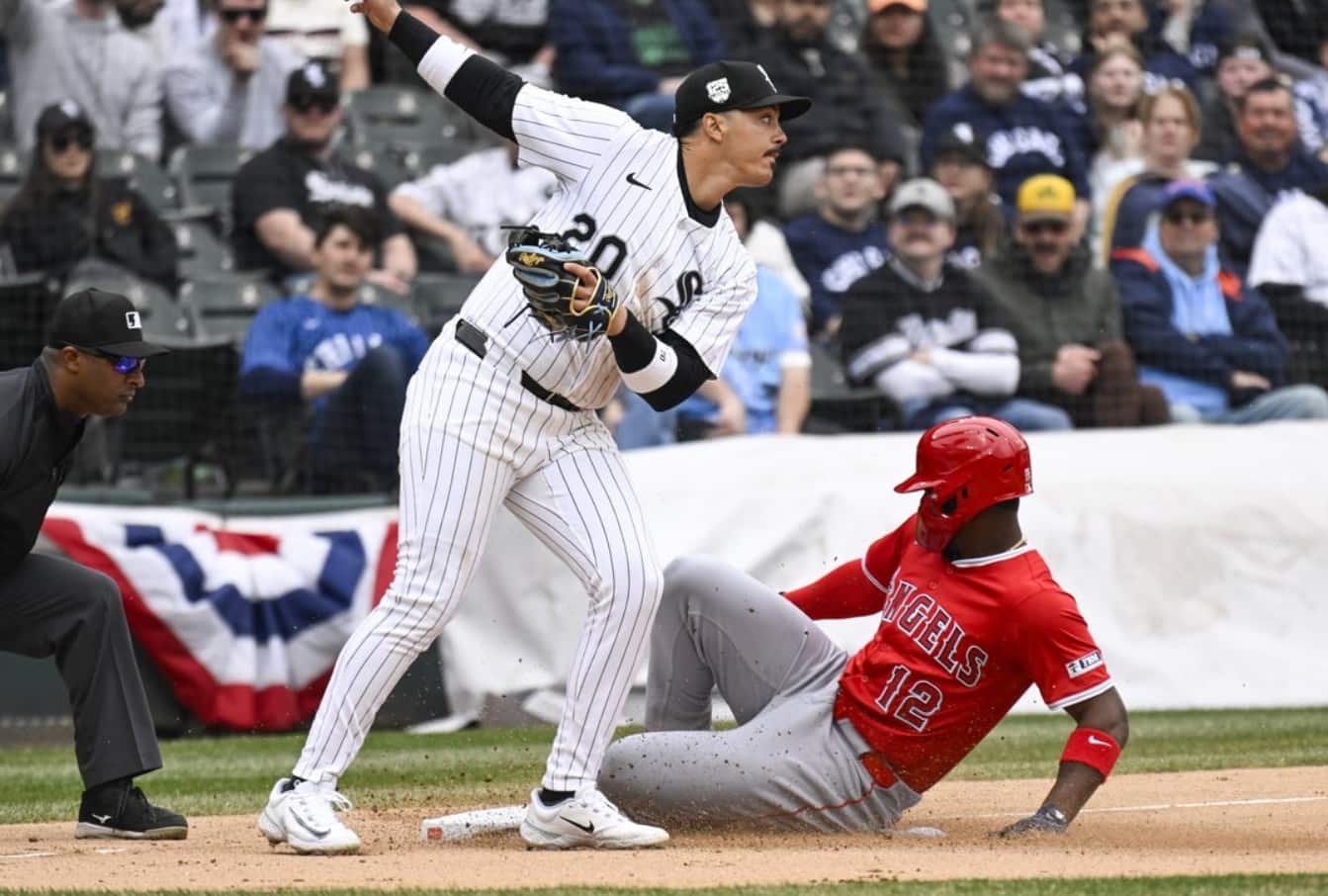
This developmental analysis will explore how each player’s performance in this series fits into their broader career arc, what these statistics suggest about their current skill level, and how their contributions reflect their ongoing development as professional baseball players.
The insights gained from studying these development patterns help us understand the complex process of athletic growth at the highest level.
Veteran Leadership Development and Mentorship Impact
The presence of experienced players significantly influenced the developmental atmosphere throughout this series. Veteran leadership manifested itself not just through individual performance but through the way established players guided younger teammates and created learning opportunities.
Angels Veteran Leadership Structure:
Mike Trout’s presence in the lineup, despite his statistical struggles in this series, provided invaluable developmental support for younger players. His approach to at-bats, his preparation routines, and his interaction with teammates created a learning environment that doesn’t show up in traditional statistics but significantly impacts team development.
Kenley Jansen’s perfect performance as the closer demonstrated how veteran experience translates into consistent execution under pressure. His two saves weren’t just about getting outs; they were masterclasses in mental preparation and situational awareness that younger pitchers observed and learned from throughout the series.
The veteran presence extended beyond individual performance to include dugout leadership, pre-game preparation guidance, and in-game tactical communication that helped younger players understand professional-level expectations and approaches to different situations.
White Sox Veteran Influence:
Andrew Benintendi’s explosive Game 1 performance served as an excellent example for younger White Sox players about capitalizing on opportunities. His three-run homer demonstrated how veteran hitters approach high-leverage situations with confidence and aggressive intent.
Luis Robert Jr., despite his relatively young age, has developed into a veteran presence who influences team chemistry and player development. His consistent hitting throughout the series showed younger players the importance of maintaining professional approaches regardless of game circumstances.
The White Sox veteran core provided stability and guidance that helped their younger players navigate the pressures of opening series baseball. Their influence on team development extends far beyond individual statistical contributions.
Rookie and Young Player Development Trajectories
The series featured several young players at different stages of their development, each facing unique challenges and opportunities to prove their readiness for consistent major league contributions.
Angels Young Player Development:
Kyren Paris emerged as the series’ most impactful young player, and his development trajectory based on these performances suggests significant potential for future growth. His .333 batting average and clutch home run in Game 3 demonstrated advanced situational awareness for a player early in his professional development.
Jo Adell’s limited but highly effective appearances (.500 average, .600 OBP) suggest his development has reached a point where he can contribute meaningfully at the major league level. His plate discipline improvements from previous seasons were evident in his patient approach and quality at-bats.
Logan O’Hoppe’s development as a catcher extends beyond his offensive contributions. His defensive work, pitch framing, and game-calling abilities showed continued growth in the most demanding position on the field. His .250 average with power demonstrates offensive development alongside his defensive maturation.
White Sox Young Player Growth:
The White Sox featured fewer prominent young players in significant roles during this series, but those who appeared showed various stages of development. Their organizational approach seems focused on ensuring young players are fully prepared before receiving extensive major league opportunities.
The limited appearances by younger White Sox players provided valuable development experiences without overwhelming pressure. This measured approach to player development allows prospects to acclimate gradually to major league expectations and performance standards.
Chicago’s development strategy emphasizes thorough preparation and gradual integration, which may result in more sustainable long-term success for their young players, even if it means fewer immediate opportunities.
Position-Specific Development Analysis
Different positions require unique developmental approaches and present distinct challenges for players at various career stages. This series provided excellent examples of position-specific development across both teams.
Catching Position Development:
| Player | Team | Age | Development Stage | Key Skills Shown |
|---|---|---|---|---|
| Logan O’Hoppe | Angels | 25 | Emerging | Pitch framing, power potential |
| Various | White Sox | Mixed | Established | Game management, veteran presence |
Logan O’Hoppe’s development as a catcher represents one of baseball’s most challenging positional transitions. His offensive contributions (.250 average, 1 home run) demonstrate that his development has progressed to where he can contribute both defensively and offensively at the major league level.
The catching position requires unique developmental considerations, including pitch recognition, game-calling abilities, and the physical demands of the position. O’Hoppe’s performance suggested his development in all these areas continues progressing positively.
Infield Development Patterns:
The infield positions showcased different developmental stages and approaches. Veteran infielders demonstrated consistency and fundamental soundness, while younger players showed flashes of potential mixed with areas needing continued development.
Taylor Ward’s consistent performance (.333 average) throughout the series demonstrated his development into a reliable major league contributor. His approach at the plate and defensive consistency show the maturation of his overall game.
Outfield Development Trajectories:
Jo Adell’s outfield development has been closely watched by Angels fans and management. His limited but highly effective appearances in this series suggest his development has reached a point where he can handle regular major league opportunities.
The outfield development shown in this series emphasized the importance of plate discipline, situational awareness, and defensive positioning. Players at different developmental stages demonstrated various levels of mastery in these crucial areas.
Pitching Development and Career Stage Analysis
Pitching development follows different patterns than position player development, with unique challenges related to pitch repertoire, command, and physical conditioning. This series featured pitchers at various developmental stages.
Starting Pitcher Development:
| Pitcher | Team | Career Stage | Development Focus | Series Performance |
|---|---|---|---|---|
| José Soriano | Angels | Emerging | Command refinement | 7 IP, 0 ER, 7 K |
| Davis Martin | White Sox | Developing | Consistency | 6 IP, 0 H, 9 K |
| Yusei Kikuchi | Angels | Veteran | Adaptation | 6 IP, 3 ER, 4 K |
José Soriano’s dominant Game 2 performance represented a significant step forward in his development as a frontline starter. His command of multiple pitches and ability to execute in pressure situations demonstrated advanced developmental progress.
Davis Martin’s near no-hitter showcased his developmental potential while also highlighting areas for continued growth. His excellent stuff and command through six innings demonstrated his readiness for increased responsibility, while the post-rain-delay struggles showed development areas that need attention.
Yusei Kikuchi’s Angels debut illustrated how veteran pitchers continue developing and adapting their approaches even late in their careers. His performance showed both his experience and the ongoing adjustments required when joining a new organization.
Relief Pitcher Development:
The bullpen development patterns shown throughout the series revealed different approaches to reliever usage and development. Kenley Jansen’s perfect performance demonstrated how elite closers maintain their development through consistent preparation and execution.
Ben Joyce’s effective relief appearance for the Angels showed how young relievers can develop into crucial contributors through focused development of their specific skills and roles. His development trajectory suggests potential for increased responsibility.
The White Sox bullpen’s struggles in close games highlighted the developmental challenges facing relief pitchers, particularly the mental aspects of handling high-pressure situations consistently.
Performance Under Pressure and Developmental Growth
High-pressure situations provide crucial developmental opportunities for players at all career stages. This series featured numerous examples of how different players handle pressure and what these moments reveal about their developmental progress.
Clutch Performance Development:
Kyren Paris’s game-tying home run in Game 3 represented a breakthrough moment in his pressure-situation development. Young players often struggle with high-leverage situations, but his immediate success after the rain delay showed advanced mental preparation and confidence.
Andrew Benintendi’s three-run homer in Game 1 demonstrated how veteran players use their experience to capitalize on pressure situations. His developmental journey has taught him to recognize and attack favorable opportunities aggressively.
Logan O’Hoppe’s go-ahead sacrifice fly in Game 3 showed his development in situational hitting. His ability to deliver in a clutch moment demonstrated growth in his approach to pressure situations and game awareness.
Mental Game Development:
The mental aspects of player development were visible throughout this series. Players at different developmental stages showed varying levels of composure, preparation, and execution under pressure.
Veterans like Kenley Jansen demonstrated how advanced mental game development allows for consistent performance regardless of external pressures. His perfect execution in save situations showed the culmination of years of mental conditioning and preparation.
Younger players showed different levels of mental game development, from Kyren Paris’s excellent pressure performance to other young players who are still developing their approaches to high-stakes situations.
Skill Set Evolution and Adaptation
Player development involves continuous evolution of skill sets and adaptation to new challenges. This series provided excellent examples of how players at different career stages continue developing and refining their abilities.
Offensive Skill Development:
| Development Area | Angels Leaders | White Sox Leaders | Key Observations |
|---|---|---|---|
| Plate Discipline | Jo Adell (.600 OBP) | Matt Thaiss (.714 OBP) | Young players are showing patience |
| Power Development | Kyren Paris (1 HR) | Benintendi (1 HR) | Clutch power emerging |
| Contact Skills | Taylor Ward (.333 Avg) | Luis Robert Jr. (.250 Avg) | Consistent contact approach |
The offensive development patterns shown throughout the series highlighted different approaches to skill refinement. Some players focused on improving plate discipline, while others emphasized power development or contact consistency.
Jo Adell’s excellent on-base percentage demonstrated his development in plate discipline, one of the most crucial skills for long-term offensive success. His patient approach showed maturation in his overall offensive development.
Kyren Paris’s power display represented a significant step forward in his offensive development. His ability to impact games with extra-base hits suggests his power potential is translating effectively to game situations.
Defensive Development Progression:
The defensive aspects of player development were evident throughout the series, particularly in how players positioned themselves and executed fundamental plays. Veteran players demonstrated advanced defensive instincts while younger players showed varying levels of defensive development.
Logan O’Hoppe’s defensive development as a catcher continued progressing positively. His game-calling abilities and pitch-framing skills showed advancement in the most complex defensive position on the field.
Outfield defensive development was demonstrated through proper positioning and route-running efficiency. Players at different developmental stages showed varying levels of mastery in these crucial defensive skills.
Organizational Development Philosophy Comparison
The different approaches to player development between the Angels and White Sox organizations were evident throughout this series. Each team’s philosophy influenced how they utilized players and approached various situations.
Angels Development Approach:
The Angels demonstrated an aggressive approach to young player development, giving opportunities to players like Kyren Paris and Jo Adell in meaningful situations. This philosophy emphasizes learning through experience and developing confidence through success.
Their pitching development approach focused on command and situational awareness, as demonstrated by José Soriano’s excellent performance. The Angels seem to prioritize developing pitchers who can handle pressure situations effectively.
The Angels’ development philosophy appears to emphasize mental toughness and clutch performance, preparing players for high-pressure situations through actual game experience rather than just practice situations.
White Sox Development Strategy:
Chicago’s approach appeared more conservative, emphasizing thorough preparation before giving young players significant opportunities. This philosophy may result in more sustainable long-term development even if it means fewer immediate breakthrough performances.
Their pitching development strategy seemed focused on building strong foundations before advancing players to higher-leverage situations. Davis Martin’s near no-hitter represented the potential success of this patient developmental approach.
The White Sox development philosophy appears to prioritize fundamentals and preparation, ensuring players are fully ready before receiving increased responsibilities and opportunities.
Long-Term Development Projections Based on Series Performance
The performances in this series provide valuable insights into potential long-term development trajectories for players at various career stages.
High-Potential Development Trajectories:
Kyren Paris’s clutch performance suggests his development trajectory could lead to significant major league contributions. His combination of power potential and pressure-situation success indicates advanced developmental progress.
José Soriano’s dominant pitching performance suggests he could develop into a frontline starter with continued refinement of his command and pitch repertoire. His developmental trajectory appears very promising based on this series.
Jo Adell’s improved plate discipline and offensive efficiency suggest his development has reached a sustainable level for consistent major league contribution. His trajectory indicates potential for regular playing time and continued growth.
Development Areas Requiring Attention:
Several players showed areas where continued development focus will be crucial for long-term success. The White Sox bullpen’s struggles highlighted the need for continued development in high-pressure situation management.
Some younger players demonstrated skills that need refinement before they can handle increased responsibilities. Their developmental timelines may require patience and continued minor league seasoning.
Veteran players showed areas where continued adaptation and skill maintenance will be important for sustained success throughout the 2025 season and beyond.
Frequently Asked Questions
- Which young players showed the most developmental progress in this series?
Kyren Paris demonstrated the most significant developmental progress for the Angels with his clutch hitting and power display. His performance suggested he’s ready for increased major league opportunities and responsibility.
- How did veteran leadership impact younger player development during the series?
Veteran players like Kenley Jansen and Mike Trout provided crucial guidance and example-setting that helped younger players approach high-pressure situations with better preparation and confidence.
- What developmental areas need the most attention for both teams?
The White Sox need to focus on bullpen development and consistency in pressure situations. The Angels should continue developing their young position players while maintaining their pitching development success.
- How do these performances compare to typical developmental expectations?
Most players performed at or above typical developmental expectations, particularly the Angels’ young players, who showed advanced situational awareness and execution under pressure.
- What do these development trends suggest about future team success?
The Angels’ successful young player development suggests they have a strong foundation for future success. The White Sox’s veteran contributions show they have immediate competitive potential while building for the future.
Development-Based Season Outlook and Projections
Based on the developmental insights from this series, both teams have different strengths and areas for continued growth as they progress through the 2025 season.
Angels Development Outlook:
The Angels’ young players showed readiness for increased responsibility and contributions throughout the season. Their developmental trajectory suggests they could surprise many observers with their collective growth and impact.
Their pitching development, particularly José Soriano’s emergence, provides a strong foundation for sustained success. The combination of veteran leadership and emerging young talent creates an excellent developmental environment.
The Angels’ aggressive approach to player development appears to be paying dividends, with multiple young players showing readiness for significant major league contributions throughout the season.
White Sox Development Trajectory:
Chicago’s veteran core provides stability while their developing players continue progressing through their growth curves. Their patient development approach may result in more sustainable long-term success.
Their starting pitching development, highlighted by Davis Martin’s potential, suggests they have the foundation for competitive baseball if their young players continue progressing as expected.
The White Sox development philosophy emphasizes preparation and fundamentals, which should serve them well as the season progresses and their young players gain more experience.
Also Check:
Conclusion:
The Los Angeles Angels vs chicago white sox match player stats from this March 2025 series provide fascinating insights into player development at the major league level.
The Angels’ success was built on the excellent development of young players who stepped up in crucial moments, while the White Sox showed the value of veteran experience and patient developmental approaches.
Player development in professional baseball is a complex process that involves individual skill refinement, mental game advancement, and adaptation to changing circumstances.
This series showcased players at various developmental stages, from emerging rookies to established veterans, each contributing to their team’s success in different ways.
The developmental trajectories revealed in these three games suggest both teams have bright futures built on different but effective approaches to player growth.
The Angels’ aggressive development of young talent appears to be creating immediate competitive advantages, while the White Sox’s patient approach emphasizes long-term sustainability and thorough preparation.
Understanding player development through statistical analysis helps us appreciate the individual journeys that each professional athlete undergoes.
The Los Angeles Angels vs chicago white sox match player stats tell stories of growth, adaptation, and the continuous pursuit of excellence that defines professional baseball at its highest level.
As the 2025 season progresses, the developmental insights gained from this series will provide valuable benchmarks for evaluating continued player growth and team evolution.
The foundation established by both organizations through their respective development philosophies should serve them well throughout the challenging season ahead.
